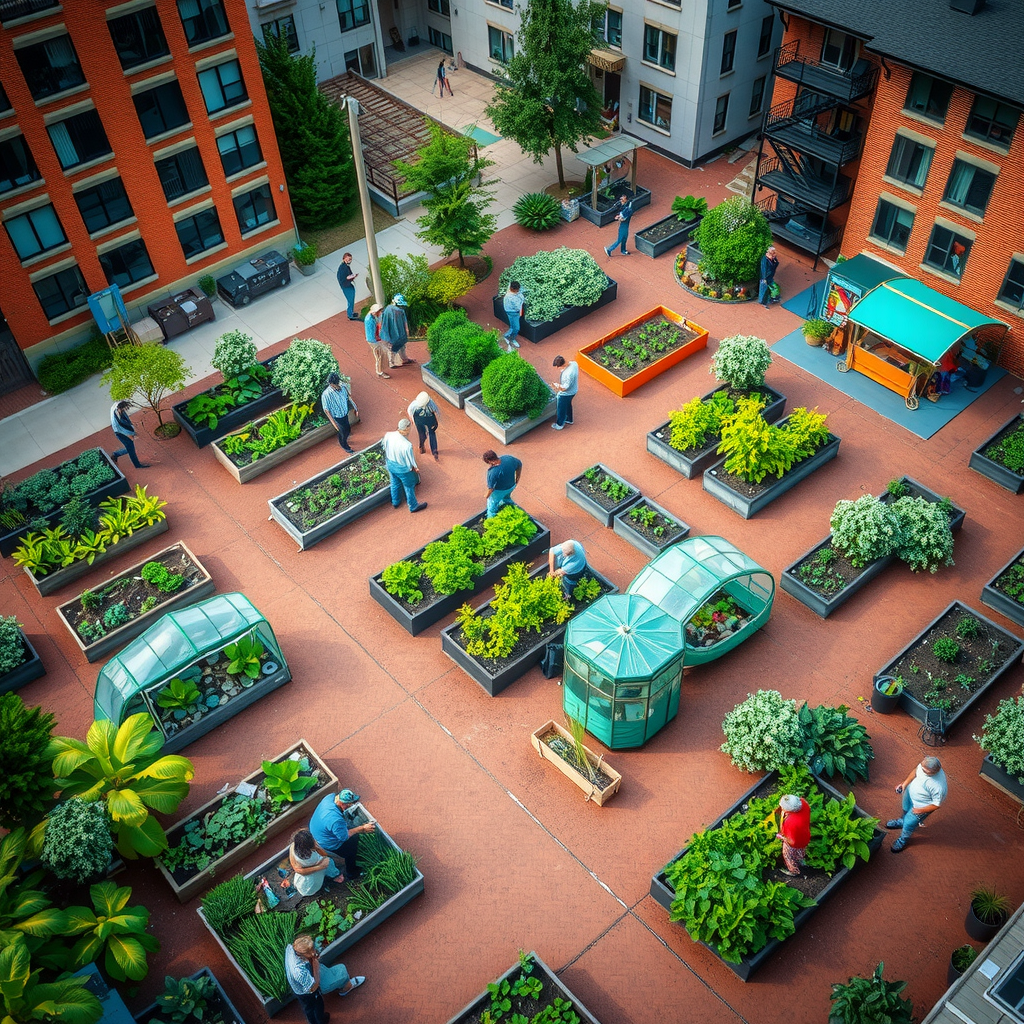
One of the five transformed community gardens now flourishing in the neighborhood
The Challenge: Urban Blight and Food Insecurity
For years, five vacant lots scattered throughout the neighborhood stood as symbols of urban decay. Overgrown with weeds, littered with debris, and serving as unofficial dumping grounds, these spaces represented missed opportunities and community neglect. Meanwhile, many families in the surrounding area struggled with limited access to fresh, affordable produce—a challenge that has only intensified in recent years.
The intersection of these two problems—unused urban space and food insecurity—presented both a challenge and an opportunity. Research shows that urban food deserts disproportionately affect low-income communities, contributing to health disparities and reduced quality of life. The Lucey Dugan Watkins Charity recognized that addressing these interconnected issues required a comprehensive, community-driven approach.
The charity's assessment revealed that these five lots, totaling 2.3 acres, had the potential to produce thousands of pounds of fresh vegetables annually. More importantly, they could serve as catalysts for community engagement, environmental education, and neighborhood revitalization.
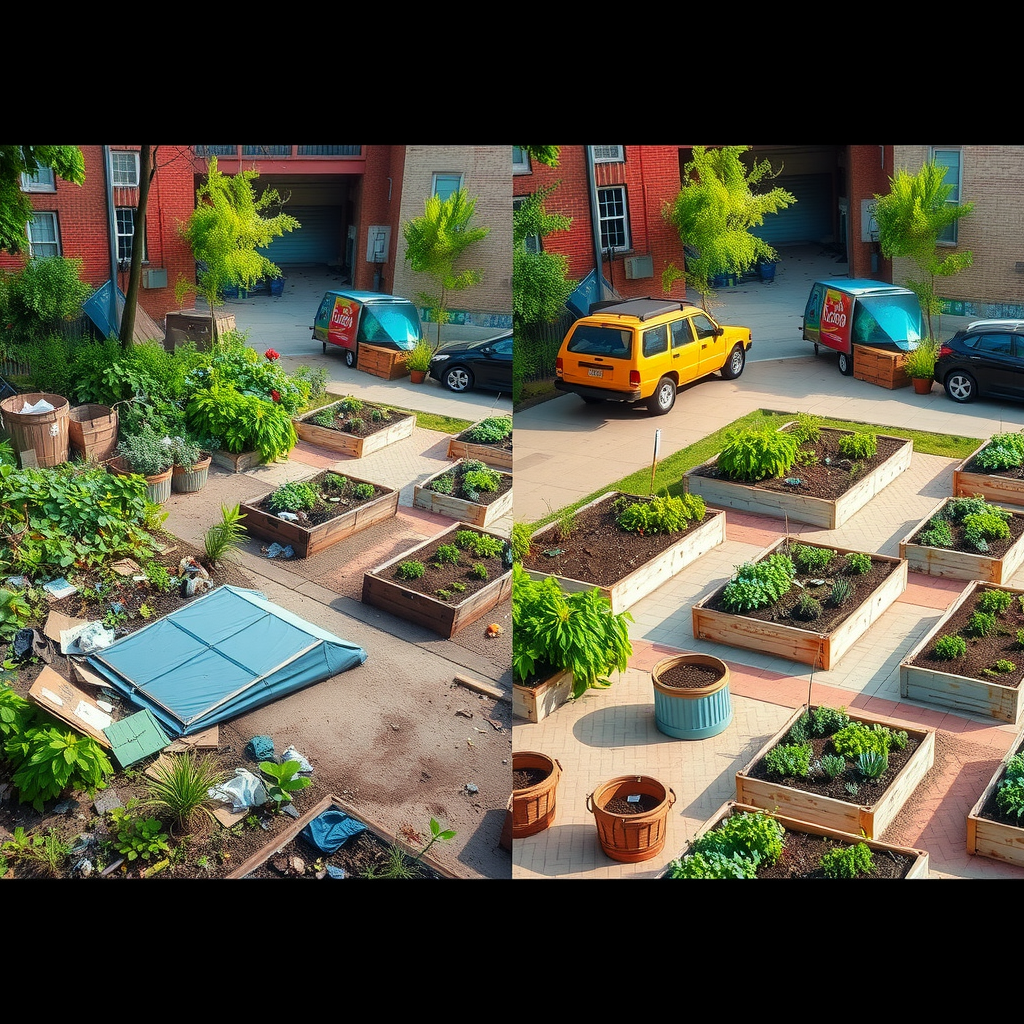
The dramatic transformation from abandoned lot to productive garden space
Building Community Through Collaboration
From the project's inception, the Lucey Dugan Watkins Charity emphasized community ownership and participation. Rather than imposing a top-down solution, the organization facilitated a series of community meetings where residents could voice their needs, share their visions, and contribute their expertise. This collaborative approach proved essential to the project's success.
The Planning Phase
During the initial planning phase, community members formed working groups focused on different aspects of the project: garden design, soil remediation, water access, tool acquisition, and educational programming. Local master gardeners volunteered their expertise, while residents with construction experience helped design accessible pathways and raised beds.
This project gave us more than just a garden. It gave us a reason to come together, to know our neighbors, and to take pride in our community again. We're not just growing vegetables—we're growing relationships.
The charity provided crucial support through grant funding, which covered soil testing and remediation, the purchase of tools and materials, installation of water access points, and the construction of storage sheds. However, the real work came from community volunteers who contributed thousands of hours to clearing debris, building raised beds, and preparing the soil for planting.
Overcoming Obstacles Together
The transformation wasn't without challenges. Soil contamination required extensive remediation in three of the five lots. Water access proved difficult in two locations, necessitating creative solutions including rainwater harvesting systems. Securing the sites against vandalism required community vigilance and the installation of appropriate fencing that balanced security with accessibility.
Each challenge became an opportunity for problem-solving and community building. When budget constraints threatened to delay the water system installation, local plumbers volunteered their services. When vandalism damaged newly planted beds, neighbors organized watch groups and reached out to local youth to involve them in the project rather than exclude them.
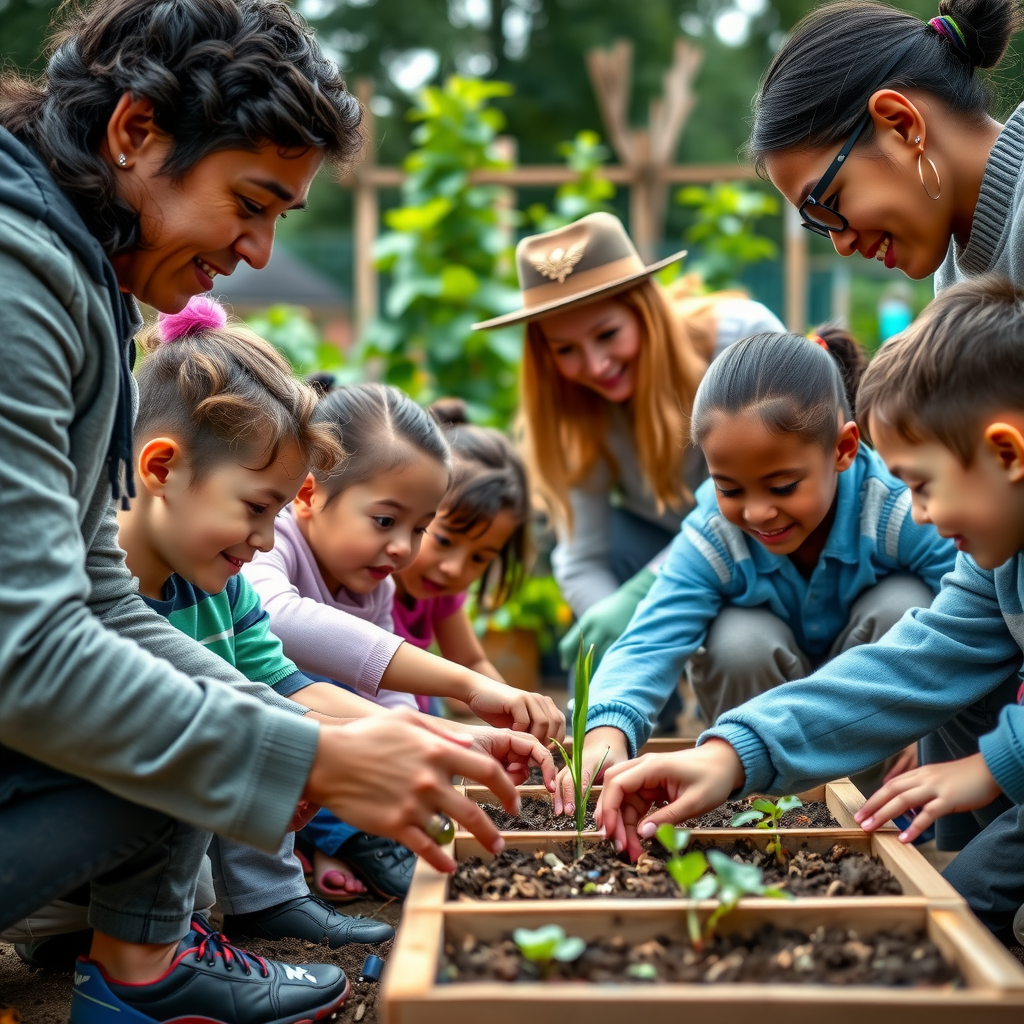
Community members of all ages collaborate on garden maintenance and planting
Fresh Produce and Food Security
The primary goal of the community gardens is to provide fresh, nutritious produce to food-insecure families in the neighborhood. In the first growing season alone, the gardens produced over 8,000 pounds of vegetables, including tomatoes, peppers, lettuce, kale, beans, squash, and herbs. This harvest was distributed through a combination of individual plot assignments and a community harvest share program.
First Season Harvest Highlights
- 2,400 pounds of tomatoes distributed to 85 families
- 1,800 pounds of leafy greens provided through weekly harvest shares
- 1,200 pounds of peppers and squash shared among plot holders
- 950 pounds of beans and peas harvested for community meals
- 1,650 pounds of root vegetables stored for winter distribution
The gardens operate on a hybrid model that balances individual and collective benefit. Approximately 60% of the garden space is divided into individual plots assigned to families who commit to maintaining them. The remaining 40% consists of communal beds tended by rotating volunteer groups, with the harvest distributed to families on a waiting list or those unable to maintain individual plots due to physical limitations or time constraints.
Beyond Basic Nutrition
The impact extends beyond simply providing vegetables. Many families have reported significant savings on their grocery bills, with some estimating they save $50-100 per month during the growing season. More importantly, families have access to organic, pesticide-free produce that would otherwise be financially out of reach.
The gardens have also become outdoor classrooms where children learn about nutrition, plant biology, and the connection between food and health. Cooking demonstrations held monthly in the gardens teach families how to prepare and preserve their harvest, ensuring that nothing goes to waste and that the benefits extend throughout the year.
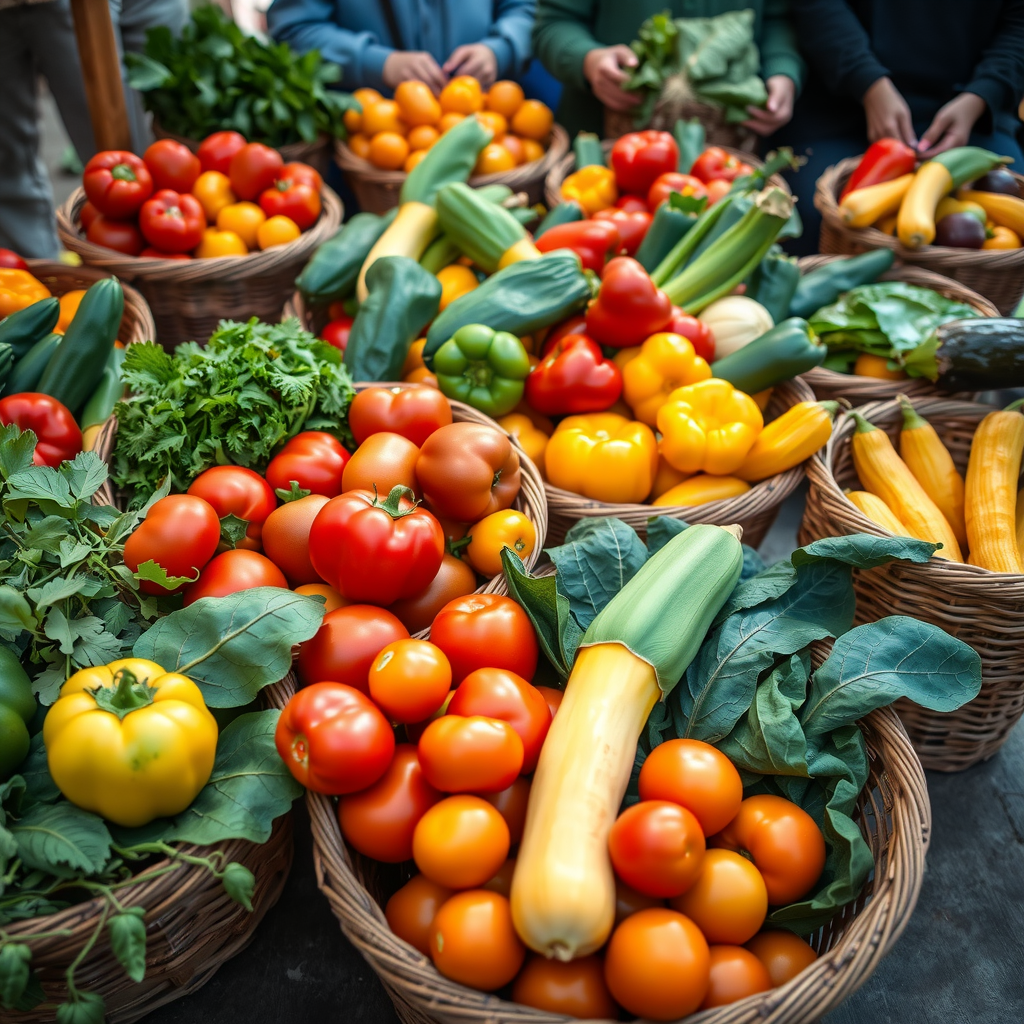
The abundant harvest from the community gardens provides fresh produce to food-insecure families
Creating Gathering Spaces and Strengthening Bonds
While food production remains central to the project's mission, the gardens have evolved into much more than agricultural spaces. They have become vital community gathering places where neighbors who might never have met now work side by side, share meals, celebrate harvests, and support one another through challenges.
Social Infrastructure
Each garden features a central gathering area with benches, shade structures, and picnic tables. These spaces host regular community events including potluck dinners featuring garden produce, children's story hours, music performances, and seasonal celebrations. The gardens have become venues for birthday parties, small weddings, and memorial services—marking life's important moments in spaces the community has created together.
I moved to this neighborhood three years ago and barely knew anyone. Now, through the garden, I have a whole extended family. We celebrate together, we help each other out, and we look after one another. This garden has given me a sense of belonging I didn't know I was missing.
The intergenerational nature of the gardens has proven particularly valuable. Older residents share traditional gardening knowledge and cultural food practices with younger generations. Teenagers earn community service hours while learning valuable skills. Young children develop an early appreciation for nature and healthy eating. This mixing of ages and experiences creates a rich social fabric that strengthens the entire community.
Mental Health and Well-being
Participants consistently report that time spent in the gardens improves their mental health and overall well-being. The physical activity, exposure to nature, sense of accomplishment, and social connections all contribute to reduced stress and increased life satisfaction. For some residents dealing with isolation, depression, or anxiety, the gardens have become therapeutic spaces that support their recovery and ongoing wellness.
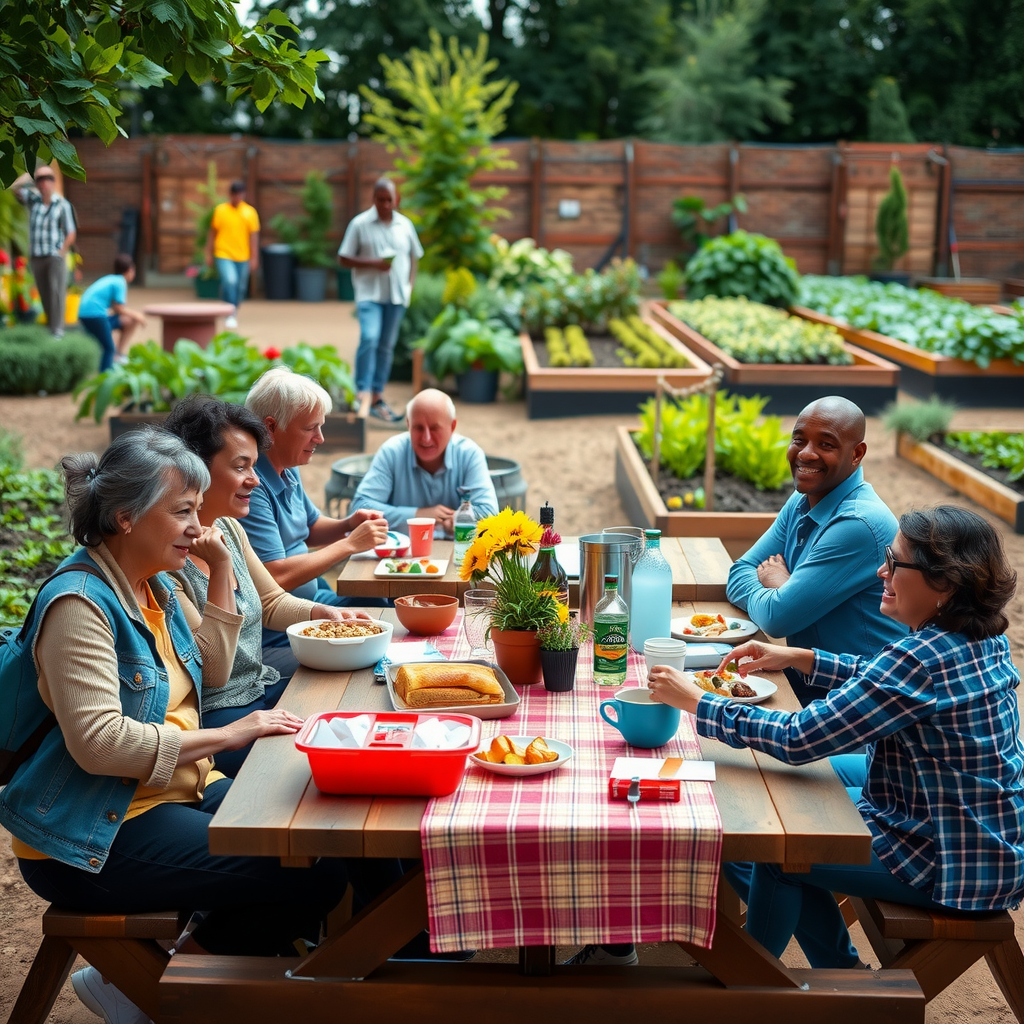
Community potluck dinners bring neighbors together to share meals and strengthen bonds
Environmental Stewardship and Education
The community gardens serve as living laboratories for environmental education and sustainable practices. From the beginning, the project has emphasized organic growing methods, water conservation, composting, and biodiversity. These practices not only produce healthier food but also model environmental stewardship for the broader community.
Sustainable Practices in Action
Environmental Initiatives
- Rainwater harvesting systems capture and store water for irrigation
- Composting stations process garden waste and kitchen scraps into nutrient-rich soil
- Native pollinator gardens support bees, butterflies, and beneficial insects
- Integrated pest management eliminates the need for chemical pesticides
- Cover cropping and crop rotation maintain soil health naturally
- Mulching reduces water needs and suppresses weeds organically
Educational workshops held throughout the growing season teach participants about topics ranging from seed saving and composting to integrated pest management and season extension techniques. These skills empower gardeners to continue sustainable practices in their own yards and to share knowledge with others.
Youth Environmental Leadership
A youth environmental leadership program, developed in partnership with local schools, brings students to the gardens for hands-on learning experiences. Participants learn about plant biology, soil science, water cycles, and climate change while developing practical gardening skills. Many program graduates have gone on to start gardens at their schools or in their own neighborhoods, multiplying the project's impact.
The gardens also serve as outdoor classrooms for school field trips, providing urban students with direct experiences of food production that many have never had. Teachers report that students who participate in garden-based learning show increased interest in science, improved understanding of nutrition, and greater environmental awareness.
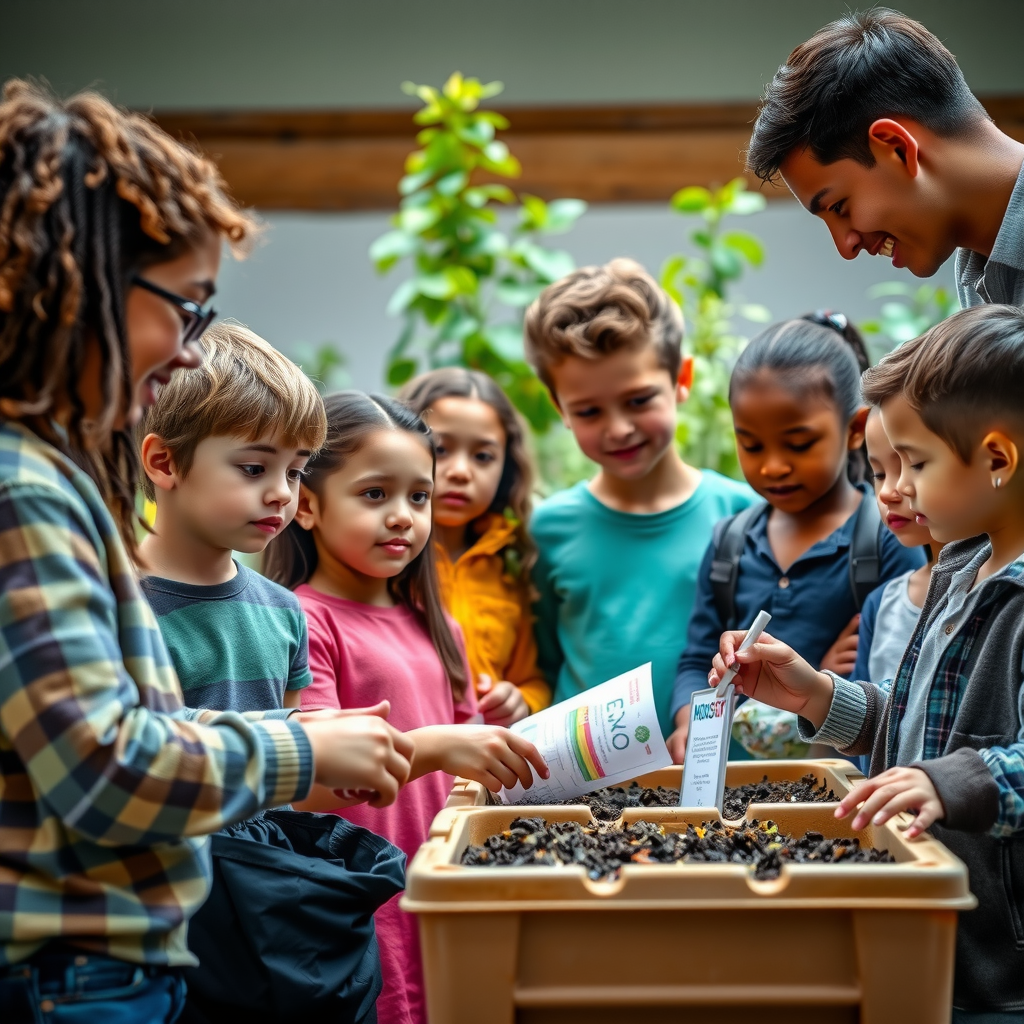
Youth environmental leadership program teaches the next generation about sustainable practices
Economic Impact and Neighborhood Revitalization
Beyond the direct benefits to participants, the community gardens have contributed to broader neighborhood revitalization. Property values in the immediate vicinity of the gardens have increased modestly, and several new small businesses have opened nearby, citing the improved neighborhood atmosphere as a factor in their location decisions.
Skills Development and Employment
The project has created employment opportunities for neighborhood residents. Three part-time garden coordinator positions provide income while building valuable skills in project management, community organizing, and horticulture. Several participants have leveraged their garden experience to start small businesses, including a plant nursery, a landscape maintenance service, and a farm-to-table catering company.
Partnerships with local restaurants and farmers' markets have created additional economic opportunities. Surplus produce from the communal beds is sold to restaurants committed to sourcing local ingredients, with proceeds funding garden improvements and expansion. This arrangement provides restaurants with ultra-fresh produce while generating revenue that sustains the gardens.
Reduced Municipal Costs
The transformation of abandoned lots into productive gardens has also reduced municipal costs. The city no longer needs to maintain these properties, respond to dumping complaints, or address the public safety concerns associated with neglected spaces. The gardens are entirely maintained by community volunteers and the part-time coordinators, representing a sustainable model that doesn't burden city budgets.
Looking Forward: Expansion and Replication
The success of the initial five gardens has generated significant interest from other neighborhoods facing similar challenges. The Lucey Dugan Watkins Charity is currently working with three additional communities to replicate the model, adapting it to local conditions and needs while maintaining the core principles of community ownership, food security, and environmental stewardship.
Future Plans and Goals
- Expand to three new neighborhoods by the end of next year
- Develop a comprehensive training program for community garden coordinators
- Create a seed library to preserve heirloom varieties and reduce costs
- Install greenhouse structures to extend the growing season
- Establish a community-supported agriculture (CSA) program
- Document best practices in a replication guide for other communities
The charity is also exploring ways to deepen the impact in existing gardens. Plans include installing greenhouse structures to extend the growing season, developing a seed library to preserve heirloom varieties and reduce costs, and creating a community-supported agriculture program that would provide year-round produce to subscribers while generating sustainable funding for garden operations.
A Model for Community Development
The community garden project demonstrates that effective community development requires more than financial investment—it requires genuine partnership, respect for local knowledge and priorities, and a long-term commitment to supporting community-led solutions. The Lucey Dugan Watkins Charity's role has been to provide resources and expertise while ensuring that community members remain in the driver's seat.
This approach has created a sense of ownership and pride that ensures the gardens' sustainability. Participants aren't recipients of charity but active agents in their community's transformation. They have developed skills, built relationships, and created assets that will continue to benefit the neighborhood for years to come.
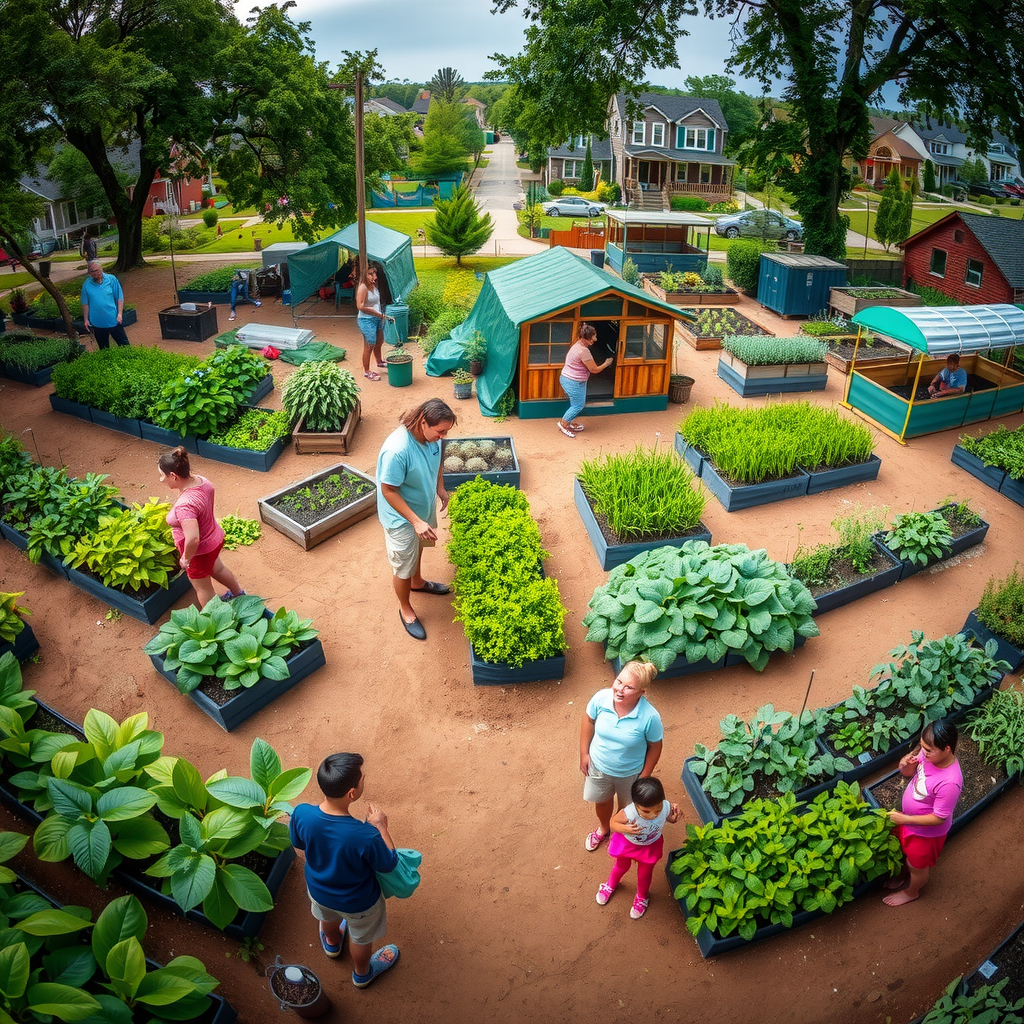
The five community gardens have become vibrant centers of neighborhood life and activity
Conclusion: Seeds of Change
The transformation of five abandoned urban lots into thriving community gardens represents more than a successful charity project—it exemplifies the power of community-driven development to address multiple challenges simultaneously. By tackling food insecurity, creating gathering spaces, promoting environmental stewardship, and fostering economic opportunity, the gardens have become catalysts for comprehensive neighborhood revitalization.
The project's success stems from its recognition that communities possess the knowledge, skills, and commitment needed to solve their own problems when provided with appropriate support and resources. The Lucey Dugan Watkins Charity's investment in this community has yielded returns that far exceed the initial financial outlay, creating lasting value that will benefit residents for generations.
As other communities look to replicate this model, the key lessons are clear: trust community members to lead, invest in relationships as much as infrastructure, think holistically about community needs, and commit to long-term partnership rather than short-term intervention. When these principles guide community development efforts, abandoned lots can become gardens, strangers can become neighbors, and communities can flourish.
What started as a project to grow vegetables has grown into something much bigger—a movement of neighbors caring for each other and our shared environment. These gardens have shown us what's possible when we work together toward a common goal. We're not just building gardens; we're building a stronger, more resilient community.
The seeds planted in these five gardens—both literal and metaphorical—continue to grow, bearing fruit in the form of fresh produce, strengthened relationships, environmental awareness, and community pride. This is the true harvest of the community garden project: a neighborhood transformed, one garden bed at a time.