In a momentous step toward addressing the affordable housing crisis, construction has officially begun on a transformative 48-unit residential complex in the heart of downtown. Supported by Lucey Dugan Watkins Charity, this groundbreaking project represents more than just new buildings—it's a commitment to providing safe, quality homes for low-income families while preserving the architectural character that makes our community unique.
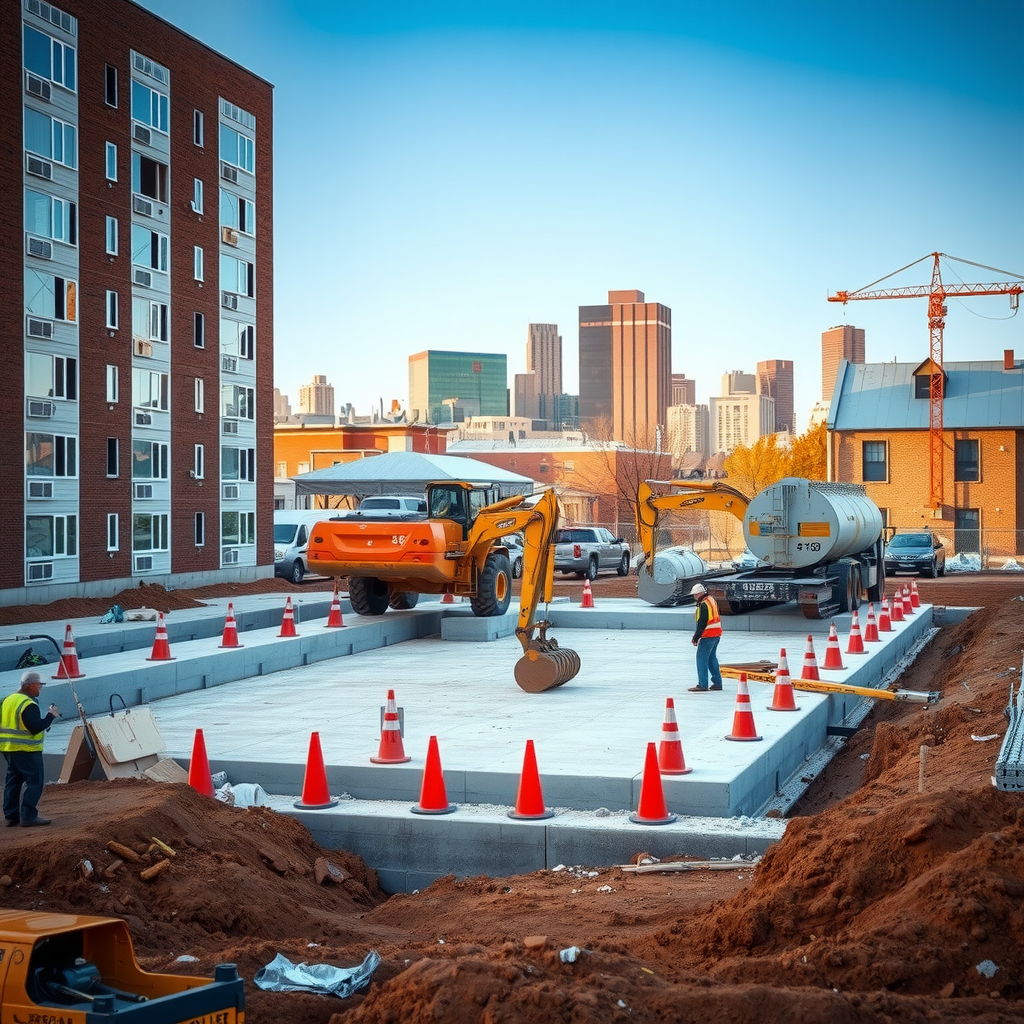
Construction crews break ground on the new affordable housing complex in downtown
A Vision for Inclusive Community Development
The affordable housing crisis has reached critical levels in communities across the nation, with low-income families facing increasingly difficult choices between paying rent and meeting other basic needs. This new development, made possible through the generous support of Lucey Dugan Watkins Charity, addresses this urgent need head-on by creating 48 quality residential units specifically designed for families earning below the area median income.
"We believe that everyone deserves a safe, comfortable place to call home," says Maria Rodriguez, Executive Director of Lucey Dugan Watkins Charity. "This project isn't just about providing shelter—it's about creating a foundation for families to build better futures. When people have stable, affordable housing, they can focus on education, career development, and strengthening their family bonds."
The development represents a significant investment in the community's future, with construction costs totaling $18.5 million. Lucey Dugan Watkins Charity has committed $4.2 million in grant funding, with additional support coming from federal low-income housing tax credits, state housing trust funds, and private financing. This collaborative funding model demonstrates the power of public-private partnerships in addressing complex social challenges.
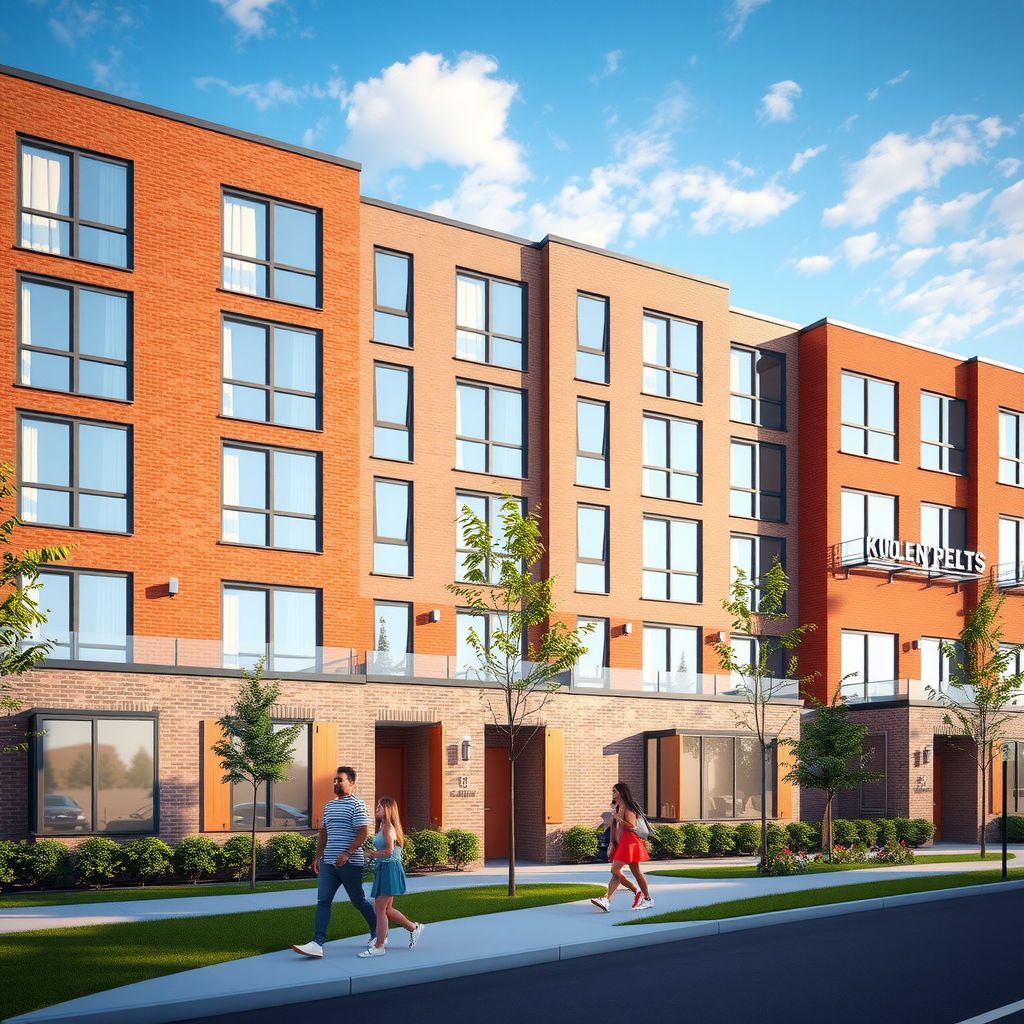
Architectural rendering showcasing the blend of modern amenities and traditional design elements
Preserving Character While Building the Future
One of the most remarkable aspects of this development is its commitment to architectural preservation. Rather than imposing a generic modern structure that clashes with the surrounding neighborhood, the design team has carefully crafted a building that honors the downtown area's historic character while incorporating contemporary functionality and sustainability features.
The complex features a brick facade that echoes the traditional architecture of nearby historic buildings, with large windows that maximize natural light and create a welcoming atmosphere. The building's height and massing have been carefully calibrated to complement neighboring structures, ensuring that the new development enhances rather than overwhelms the streetscape.
Design Elements That Honor Heritage
- Traditional brick construction using locally-sourced materials that match the color palette of historic downtown buildings
- Decorative cornices and window treatments inspired by early 20th-century architectural details
- Street-level retail spaces with large storefront windows that maintain the pedestrian-friendly character of the neighborhood
- Landscaping that incorporates native plants and creates green spaces reminiscent of historic urban gardens
- Careful attention to scale and proportion to ensure harmony with surrounding structures
"We wanted to create something that feels like it's always been part of this neighborhood," explains Sarah Chen, lead architect on the project. "The goal was to design a building that future generations will look at and say, 'That's always been there.' It should feel timeless, not trendy."
Project at a Glance
Total Units: 48 affordable housing apartments
Unit Mix: 12 one-bedroom, 24 two-bedroom, 12 three-bedroom units
Total Investment: $18.5 million
Charity Contribution: $4.2 million from Lucey Dugan Watkins Charity
Expected Completion: Fall 2026
Income Requirements: Households earning 30-60% of area median income
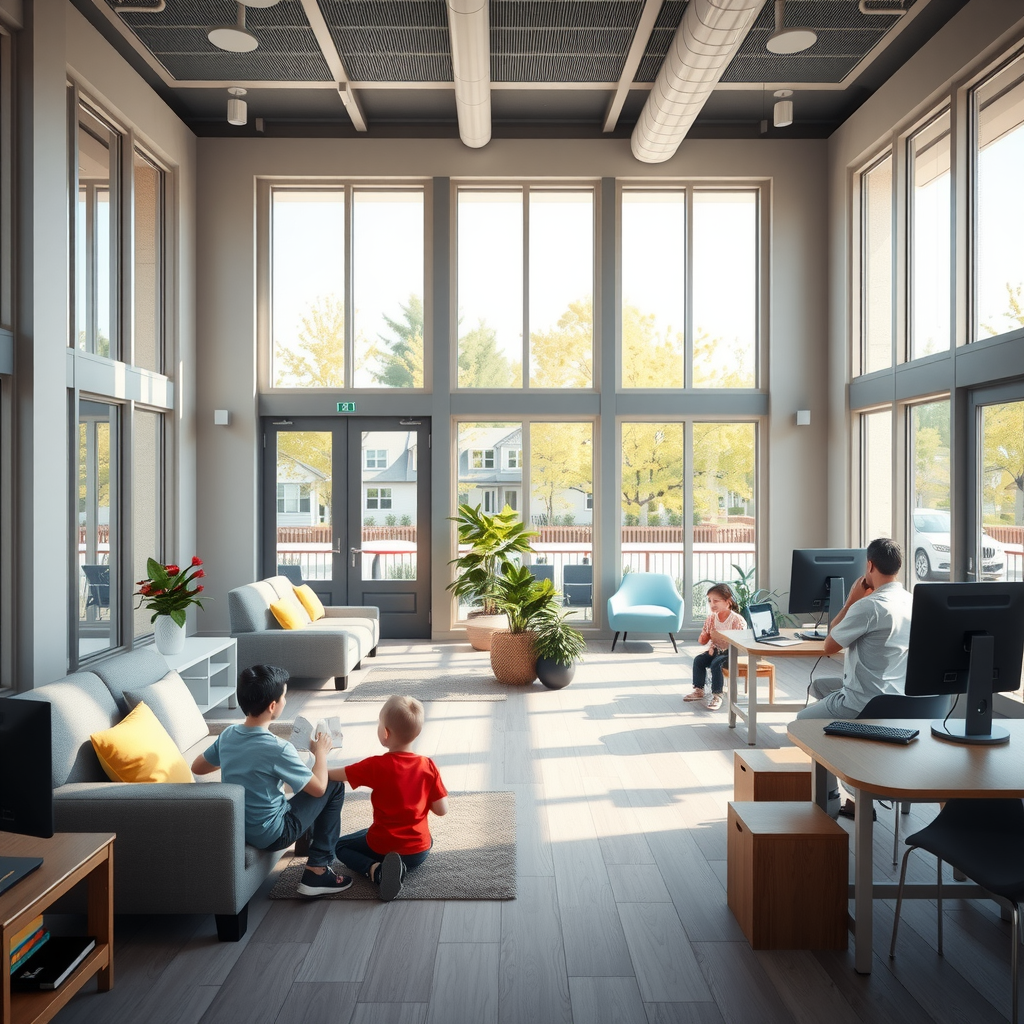
The community room will serve as a gathering space for residents and support services
More Than Housing: Building Community Infrastructure
What sets this development apart from typical affordable housing projects is its comprehensive approach to resident support. The complex includes dedicated community spaces and on-site support services designed to help families thrive, not just survive.
Community Spaces and Amenities
The ground floor features a 2,500-square-foot community room that will serve multiple purposes. During the day, it functions as a computer lab where residents can access job search resources, complete online education programs, and develop digital literacy skills. In the evenings and on weekends, the space transforms into a gathering area for community events, children's programs, and resident meetings.
Adjacent to the community room, a dedicated children's play area provides a safe, supervised space for young residents. The play area features age-appropriate equipment, educational toys, and comfortable seating for parents and caregivers. Natural light floods the space through large windows, creating a bright and welcoming environment.
Outside, a landscaped courtyard offers residents access to green space—a crucial amenity often lacking in urban affordable housing. The courtyard includes raised garden beds where residents can grow vegetables and flowers, picnic tables for outdoor dining, and a small playground for children. This outdoor space not only provides recreational opportunities but also fosters community connections as neighbors gather and interact.
On-Site Support Services
Recognizing that stable housing is just one component of family success, the development includes dedicated space for on-site support services. A full-time resident services coordinator will work with families to connect them with resources including:
- Financial literacy and budgeting workshops to help families build savings and improve credit
- Job training and employment placement assistance through partnerships with local workforce development agencies
- After-school tutoring and homework help for children, provided by volunteer tutors and college students
- Health and wellness programs, including nutrition education and exercise classes
- Mental health counseling and family support services through partnerships with community health centers
- Legal aid clinics addressing issues like tenant rights, family law, and immigration matters
"We've learned from decades of affordable housing development that simply providing a roof over someone's head isn't enough," notes James Thompson, Director of Housing Programs at Lucey Dugan Watkins Charity. "Families need comprehensive support to break cycles of poverty and build pathways to economic mobility. That's why we've designed this development to be a true community resource, not just a place to sleep."
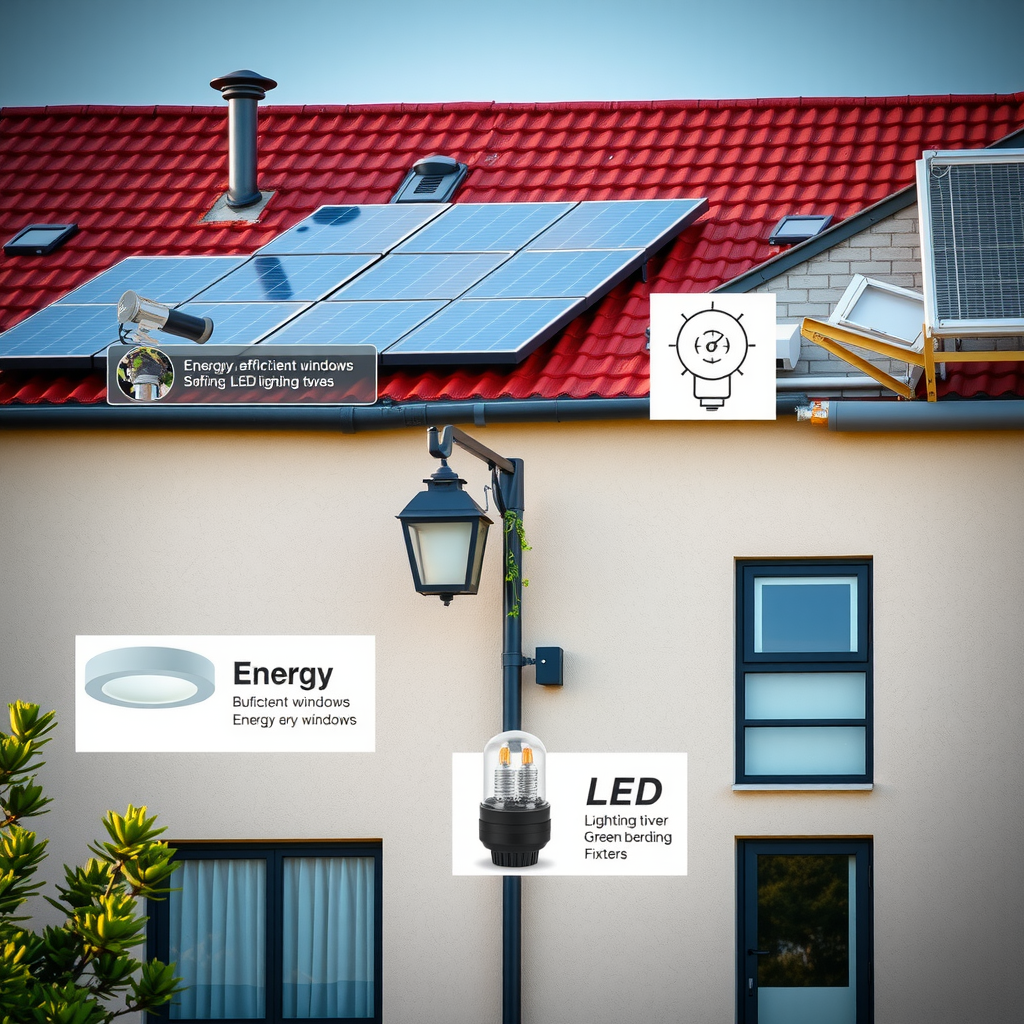
Energy-efficient features will significantly reduce utility costs for residents
Sustainability and Cost Reduction Through Energy Efficiency
One of the most innovative aspects of this development is its commitment to energy efficiency and environmental sustainability. These features aren't just good for the planet—they directly benefit residents by reducing monthly utility costs, making housing more affordable in the long term.
Green Building Features
The building is designed to achieve LEED Silver certification, incorporating numerous sustainable features that reduce energy consumption and environmental impact. The roof is equipped with a 75-kilowatt solar array that will generate approximately 30% of the building's electricity needs. This renewable energy source not only reduces carbon emissions but also protects residents from rising utility costs.
High-performance windows with low-E coatings minimize heat transfer, keeping apartments comfortable year-round while reducing heating and cooling costs. The building envelope features enhanced insulation that exceeds code requirements by 40%, further improving energy efficiency. LED lighting throughout common areas and individual units reduces electricity consumption by up to 75% compared to traditional lighting.
Water conservation features include low-flow fixtures in all bathrooms and kitchens, reducing water usage by approximately 30%. A rainwater collection system captures stormwater runoff for use in landscape irrigation, reducing both water costs and strain on municipal systems.
Long-Term Financial Benefits
The energy-efficient features translate into real savings for residents. Preliminary estimates suggest that utility costs in these apartments will be approximately $75-100 lower per month compared to similar non-efficient units. Over the course of a year, this represents savings of $900-1,200 per household—money that families can redirect toward food, healthcare, education, or savings.
"When you're living on a tight budget, every dollar matters," explains resident advocate Patricia Williams. "Reducing utility costs by $100 a month can mean the difference between making ends meet and falling behind. These energy-efficient features are a game-changer for low-income families."
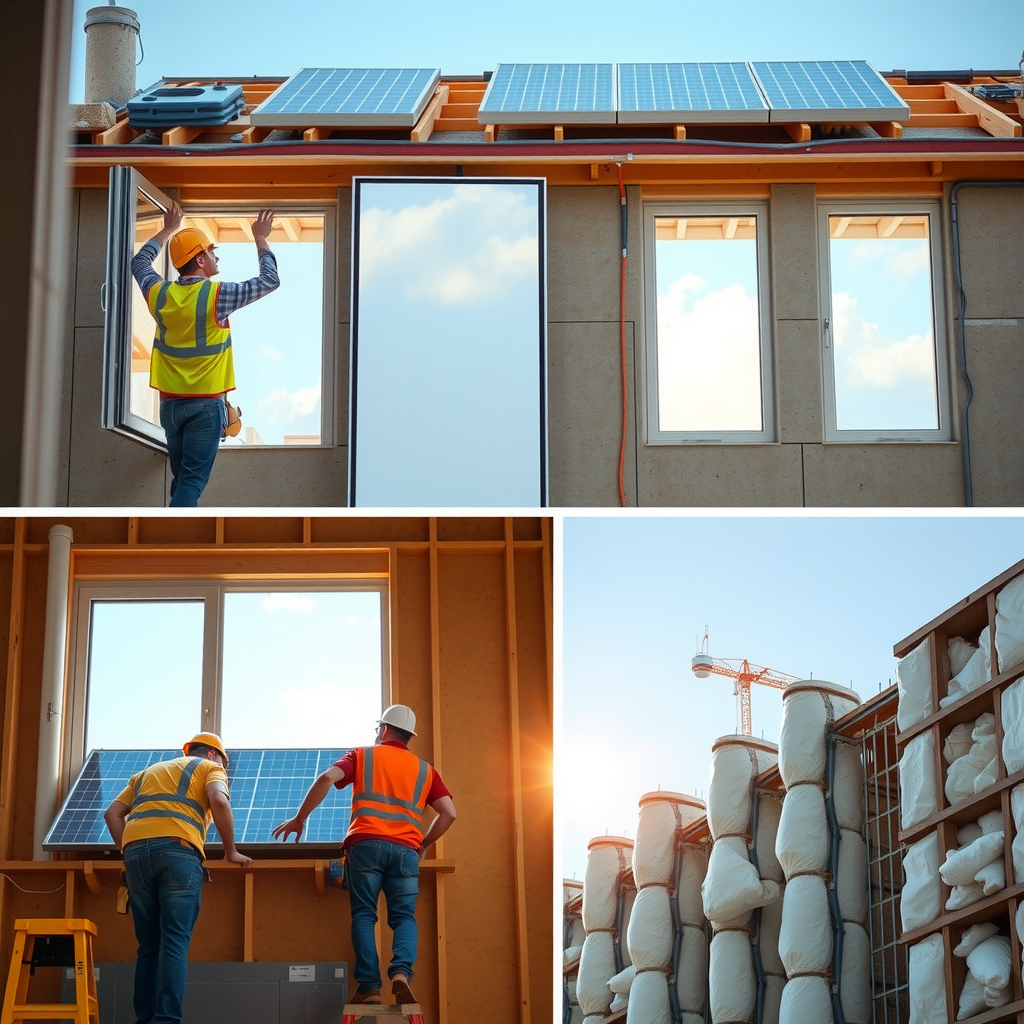
Construction crews install energy-efficient systems throughout the building
Community Impact and Economic Development
The benefits of this development extend far beyond the 48 families who will call it home. The project is expected to generate significant positive impacts for the broader community, from job creation during construction to long-term economic benefits.
Construction Phase Benefits
During the 18-month construction period, the project will create approximately 150 jobs, including positions for skilled tradespeople, laborers, and project managers. The development team has committed to hiring locally whenever possible, with a goal of filling at least 30% of construction positions with workers from the surrounding community. Additionally, the project includes apprenticeship opportunities for young people interested in learning construction trades.
"This project represents a significant investment in our local workforce," notes Michael Davis, president of the local construction workers union. "Not only are we building homes, but we're also building careers and providing pathways to the middle class for workers in our community."
Long-Term Economic Benefits
Once completed, the development will generate ongoing economic activity. The ground-floor retail spaces will house small businesses, creating additional jobs and services for the neighborhood. Residents will spend money at local shops, restaurants, and service providers, circulating dollars through the community economy.
Perhaps most importantly, by providing stable, affordable housing, the development enables families to invest in their own futures. When families aren't spending 50-60% of their income on rent, they have resources to pursue education, start businesses, and build savings. This economic mobility benefits not just individual families but the entire community.
This development represents our belief that everyone deserves not just a place to live, but a place to thrive. We're not just building apartments—we're building futures, strengthening families, and investing in the long-term health of our community.
Addressing Concerns and Building Support
As with any significant development project, the affordable housing complex has faced questions and concerns from some community members. The development team and Lucey Dugan Watkins Charity have worked proactively to address these concerns through transparent communication and community engagement.
Parking and Traffic
One common concern relates to parking and traffic impacts. The development includes 60 parking spaces—more than one space per unit—to accommodate resident vehicles. Additionally, the location was specifically chosen for its proximity to public transportation, with a bus stop just one block away and a light rail station within a half-mile. The development team conducted a comprehensive traffic study that concluded the project would not significantly impact traffic flow in the area.
Property Values and Neighborhood Character
Some neighbors initially worried about potential impacts on property values. However, research consistently shows that well-designed, well-managed affordable housing does not negatively impact surrounding property values. In fact, by reducing blight, improving streetscapes, and bringing new residents and economic activity to the area, such developments often enhance neighborhood vitality.
The project's commitment to architectural compatibility and high-quality construction addresses concerns about neighborhood character. Rather than standing out as "affordable housing," the building will blend seamlessly into the existing urban fabric.
Community Engagement Process
Throughout the planning process, the development team held numerous community meetings, providing opportunities for neighbors to ask questions, voice concerns, and offer input. Several design modifications were made in response to community feedback, including adjustments to building height, enhanced landscaping, and additional parking spaces.
"We wanted to ensure that this project truly serves the community, and that means listening to all voices," explains Jennifer Martinez, community outreach coordinator for the project. "The engagement process wasn't just about checking a box—it was about building relationships and creating a development that everyone can be proud of."
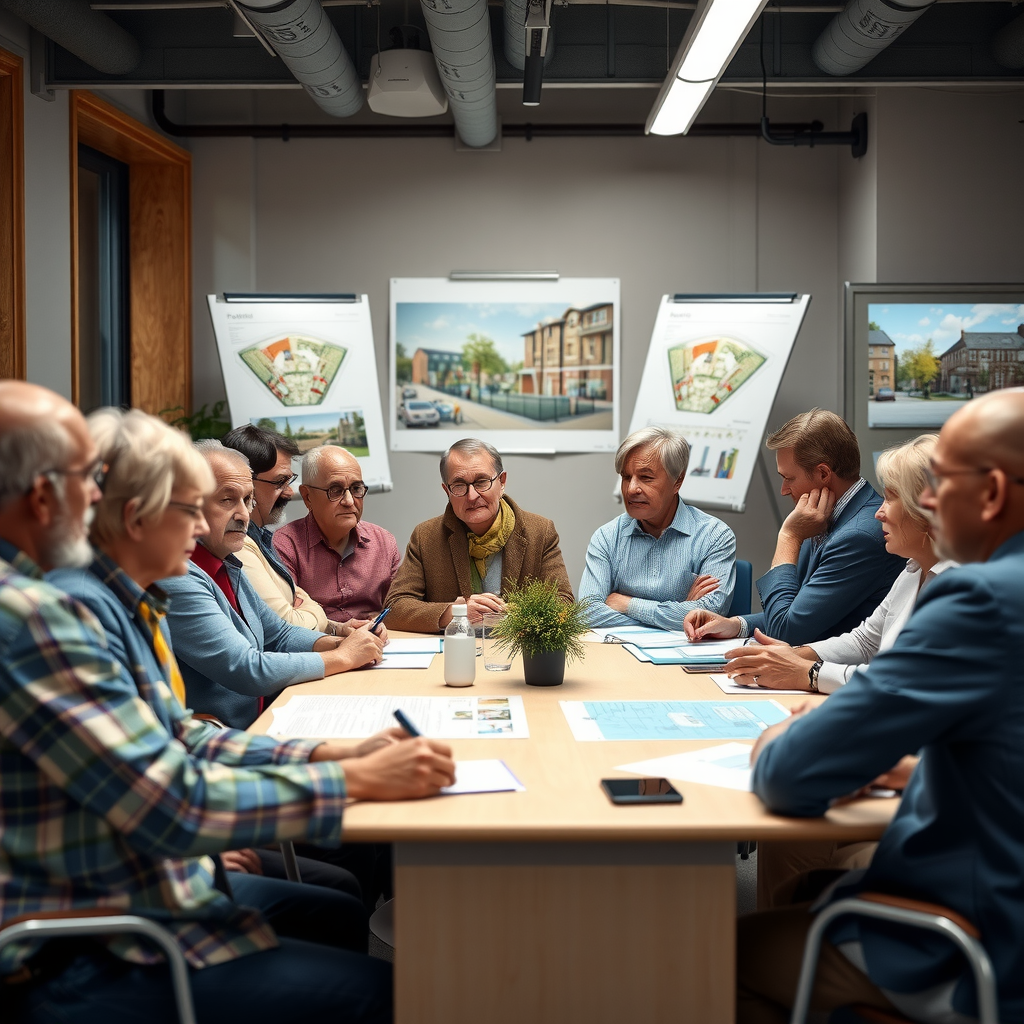
Community meetings ensured resident voices shaped the final development plans
Looking Ahead: A Model for Future Development
As construction progresses over the next 18 months, this project serves as a model for how communities can address affordable housing needs while respecting neighborhood character and promoting sustainability. The success of this development could pave the way for similar projects in other parts of the city and beyond.
Replicable Success
Lucey Dugan Watkins Charity is already in discussions with developers and community organizations in other cities about replicating this model. The combination of thoughtful design, comprehensive resident services, energy efficiency, and community engagement creates a blueprint that can be adapted to different contexts and communities.
"We see this as the first of many such projects," says Rodriguez. "There's a tremendous need for affordable housing across the country, and we believe this model demonstrates that it's possible to create high-quality, sustainable housing that benefits both residents and the broader community. We're committed to sharing what we learn and supporting similar efforts elsewhere."
Timeline and Next Steps
Construction is expected to proceed in phases over the next 18 months, with completion targeted for fall 2026. The first phase focuses on foundation work and structural framing, which will continue through winter. Spring 2026 will see the installation of building systems, windows, and exterior finishes. Interior work, including unit finishes and common area construction, will take place in summer 2026.
Applications for residency will open in summer 2026, approximately three months before completion. A lottery system will be used to fairly allocate units among eligible applicants. Priority will be given to families currently living in the downtown area, as well as those facing imminent displacement or homelessness.
How to Get Involved
Community members interested in supporting this project or learning about future affordable housing initiatives can:
- Volunteer to provide tutoring, mentoring, or other support services to future residents
- Donate to Lucey Dugan Watkins Charity to support affordable housing and community development programs
- Attend community meetings to stay informed about project progress and provide input
- Advocate for policies that support affordable housing development in your community
- Spread awareness about the importance of affordable housing and community investment
Conclusion: Building More Than Walls
The groundbreaking of this 48-unit affordable housing complex represents far more than the start of a construction project. It symbolizes a community's commitment to ensuring that all residents have access to safe, quality housing. It demonstrates the power of charitable organizations like Lucey Dugan Watkins Charity to catalyze transformative change. And it offers hope to families struggling with housing insecurity that better days lie ahead.
As the building rises over the coming months, it will stand as a testament to what's possible when communities come together to address shared challenges. The families who will eventually call this place home will find not just apartments, but a supportive community, access to resources, and a foundation for building better futures.
In a time when affordable housing challenges seem overwhelming, this project reminds us that solutions are possible. With thoughtful planning, adequate resources, and genuine commitment to community well-being, we can create housing that serves not just as shelter, but as a springboard to opportunity and prosperity.
The construction equipment may be breaking ground on a new building, but in a deeper sense, this project is breaking ground on a more inclusive, equitable, and compassionate community—one where everyone has a place to call home.
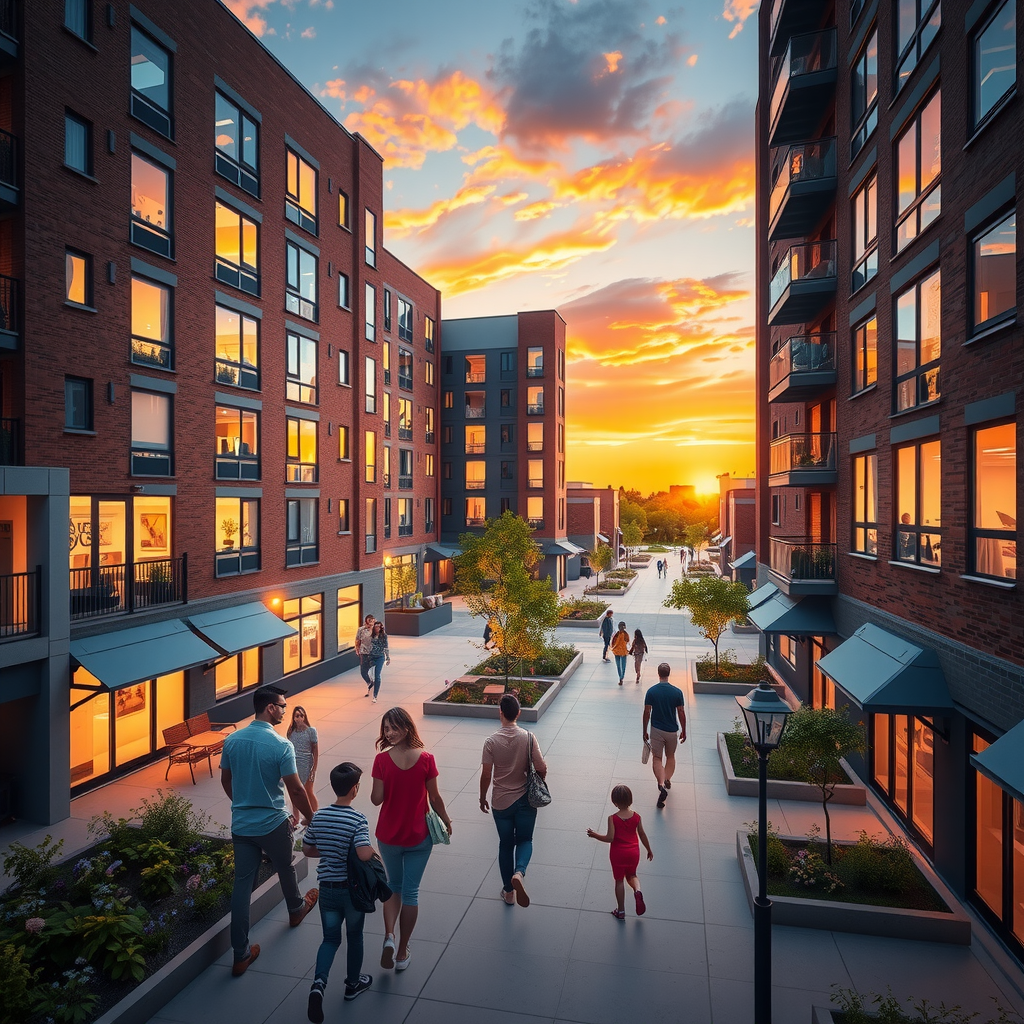
A vision of the thriving community that will call this development home