Environmental Programs Transforming Communities
Published on November 12, 2025
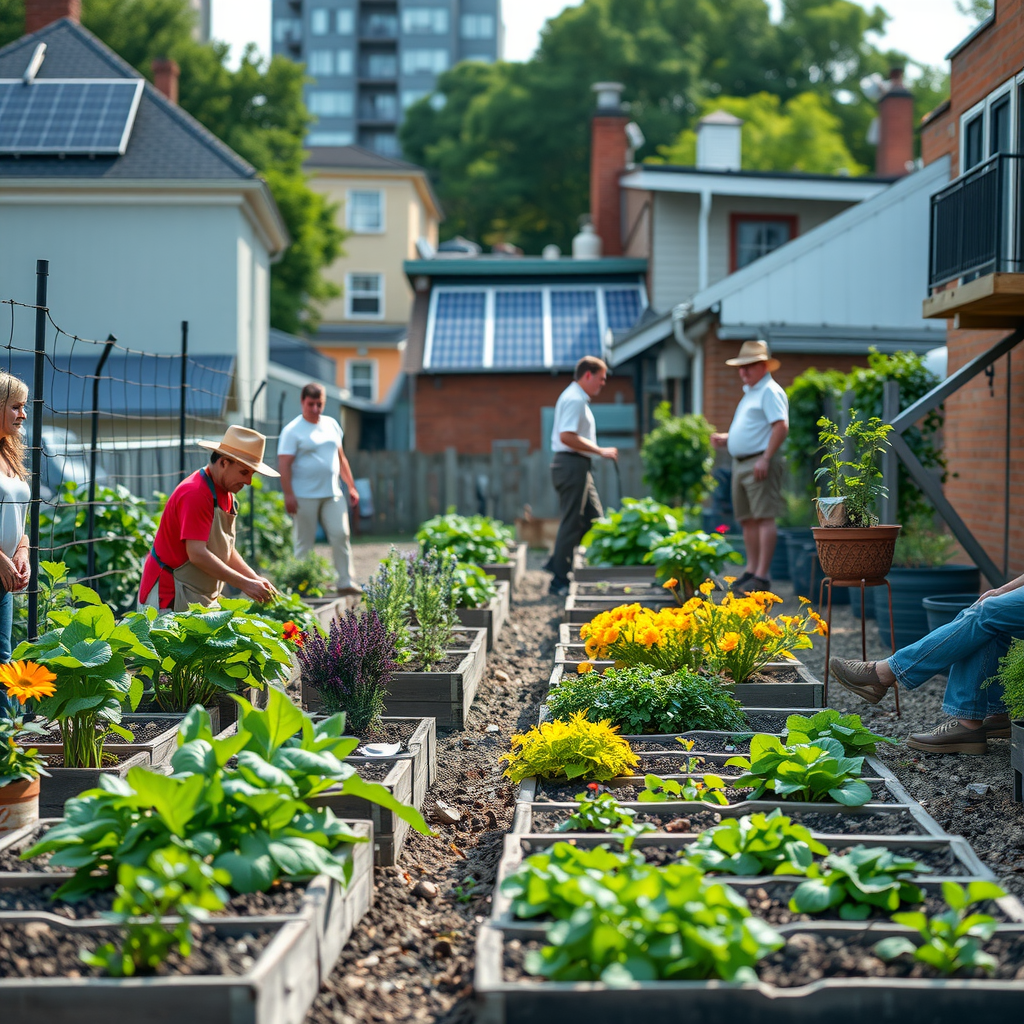
At Lucey Dugan Watkins Charity, we believe that environmental sustainability and community development go hand in hand. Our comprehensive environmental programs are designed to transform neighborhoods through sustainable practices, green infrastructure, and education initiatives that empower residents to become stewards of their environment while improving their quality of life.
Through strategic partnerships with local organizations, municipalities, and community leaders, we've developed a holistic approach to environmental transformation that addresses immediate needs while building long-term resilience. Our programs focus on creating tangible improvements that residents can see, touch, and benefit from every day, while simultaneously protecting our planet for future generations.
Urban Gardening Projects: Growing Food and Community
Our urban gardening initiatives have transformed vacant lots and underutilized spaces into thriving community gardens that serve as hubs for food production, education, and social connection. These projects address food insecurity while teaching valuable skills in sustainable agriculture, nutrition, and environmental stewardship.
Community Garden Network
Since 2020, we've established 47 community gardens across underserved neighborhoods, providing access to fresh, organic produce for over 3,200 families. Each garden features raised beds, composting systems, rainwater harvesting infrastructure, and educational signage that teaches sustainable growing practices.
Our gardens are more than just food production sites—they're gathering places where neighbors connect, children learn about nature, and communities build resilience together. We provide seeds, tools, soil amendments, and ongoing technical support to ensure every garden thrives.
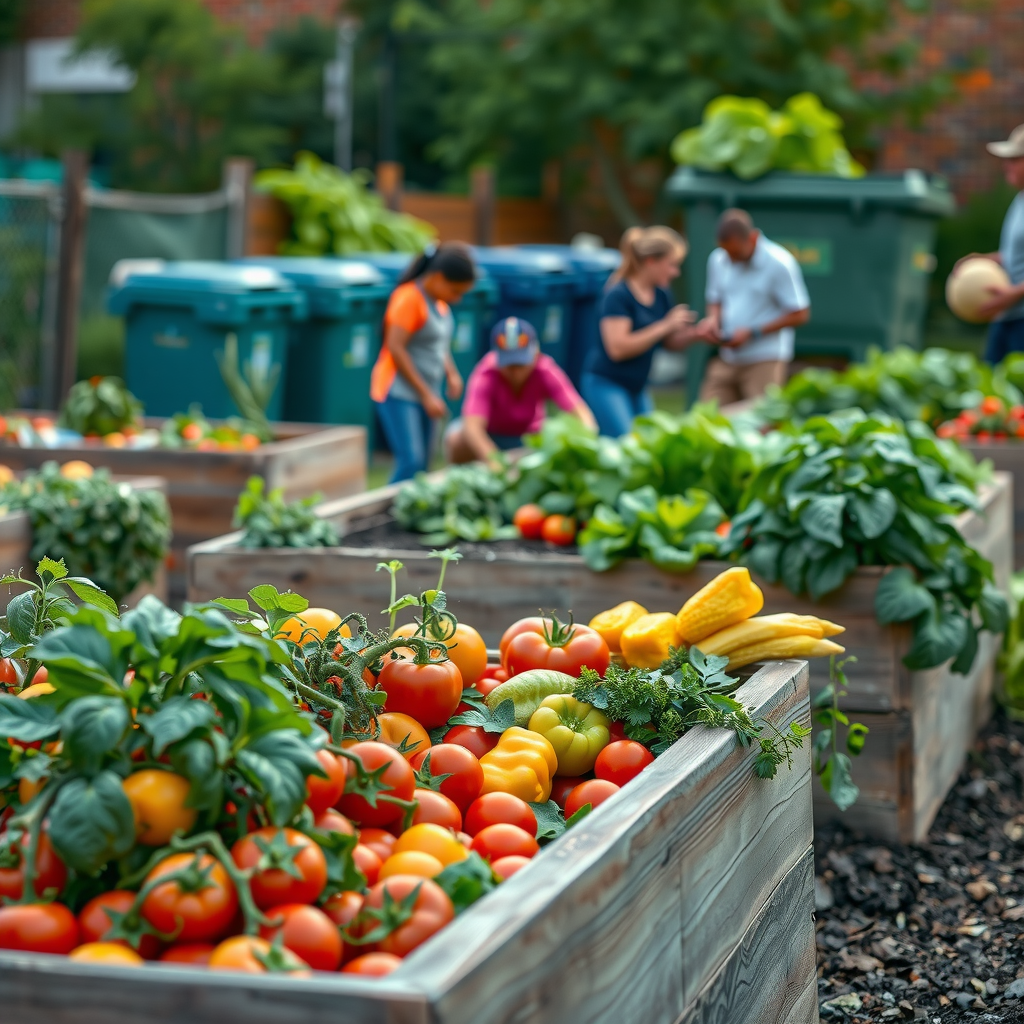
Our youth gardening programs engage over 800 young people annually in hands-on learning experiences that connect them to their food sources and the natural world. Through after-school programs and summer camps, children learn about plant biology, soil health, beneficial insects, and the importance of biodiversity while developing leadership skills and environmental awareness.
The impact extends beyond individual gardens. We've created a network that shares resources, knowledge, and surplus produce. Community members participate in seed swaps, attend workshops on topics like organic pest management and season extension, and collaborate on larger projects like establishing fruit tree orchards and pollinator gardens throughout their neighborhoods.
Renewable Energy Installations: Powering Sustainable Futures
Access to clean, affordable energy is fundamental to community well-being and environmental protection. Our renewable energy program focuses on making solar power accessible to low-income households, community facilities, and nonprofit organizations that serve vulnerable populations.
Through partnerships with solar installation companies and energy efficiency experts, we've completed 156 solar panel installations on homes, community centers, schools, and places of worship. These projects reduce energy costs by an average of 65%, freeing up resources for other essential needs while significantly reducing carbon emissions.
Solar Installations
156 completed projects generating 2.4 megawatts of clean energy annually
Energy Efficiency
Average 65% reduction in energy costs for participating households
Carbon Reduction
1,850 tons of CO2 emissions prevented annually through our programs
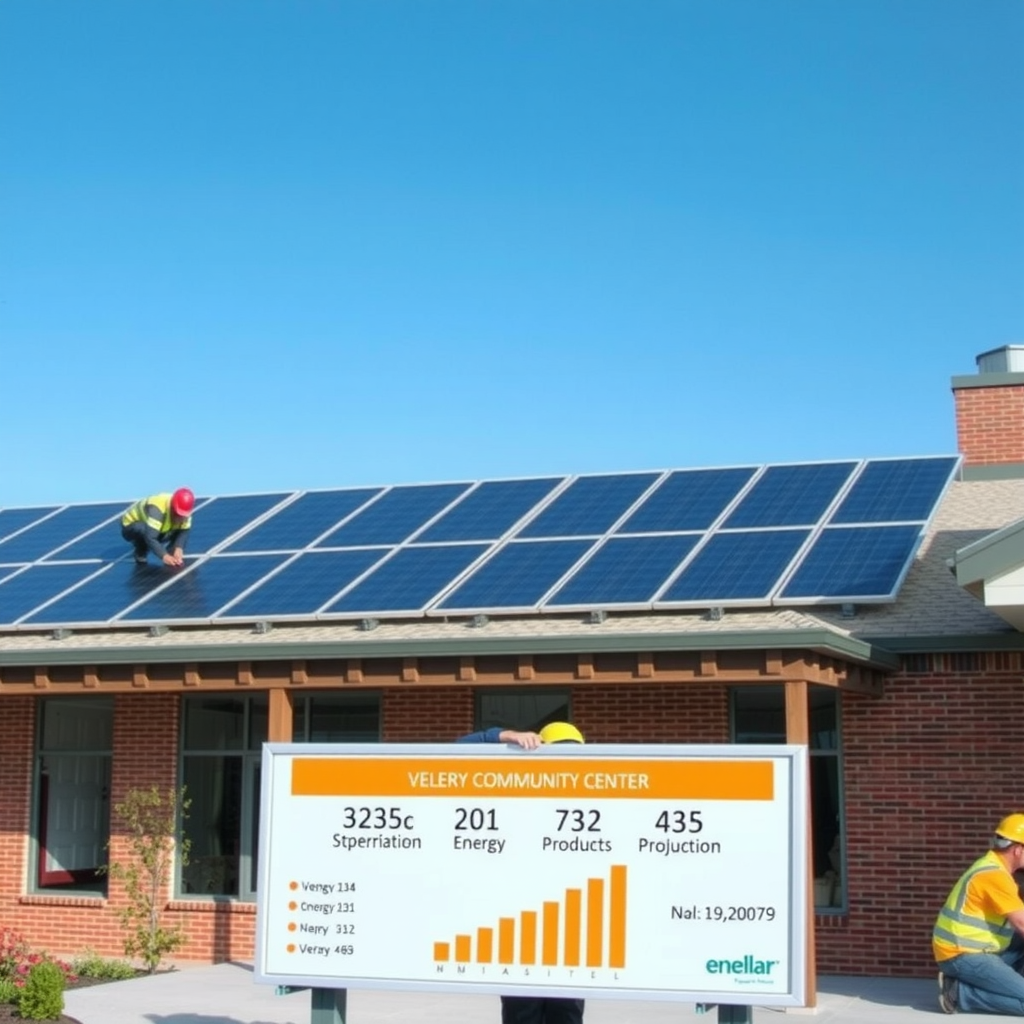
Our renewable energy program includes comprehensive energy audits, weatherization services, and LED lighting upgrades to maximize efficiency before solar installation. We also provide education on energy conservation practices, helping families understand their energy usage and make informed decisions about consumption.
For community facilities, we've pioneered innovative financing models that allow nonprofits to benefit from solar power without upfront costs. Through power purchase agreements and community solar programs, we're making clean energy accessible to organizations that serve thousands of community members daily, from food banks to youth centers to senior housing facilities.
Waste Management Education: Building a Circular Economy
Effective waste management is crucial for environmental health and community well-being. Our comprehensive waste education program teaches residents about recycling, composting, hazardous waste disposal, and waste reduction strategies that save money while protecting the environment.
We've developed culturally responsive educational materials in multiple languages that make waste management accessible to diverse communities. Our door-to-door outreach program has reached over 15,000 households, providing personalized guidance on proper sorting, contamination prevention, and special waste handling.
Community Composting Initiative
Our community composting program diverts over 450 tons of organic waste from landfills annually while producing nutrient-rich compost for community gardens and urban farms. We've established 23 neighborhood composting hubs where residents can drop off food scraps and yard waste.
Each hub is staffed by trained community volunteers who manage the composting process, educate participants, and distribute finished compost back to the community. This closed-loop system demonstrates the principles of circular economy while building community connections and environmental awareness.
Participants receive free compost for their gardens and access to workshops on topics like vermicomposting, bokashi fermentation, and using compost to improve soil health. The program has reduced waste disposal costs for participating neighborhoods while creating valuable resources for urban agriculture.
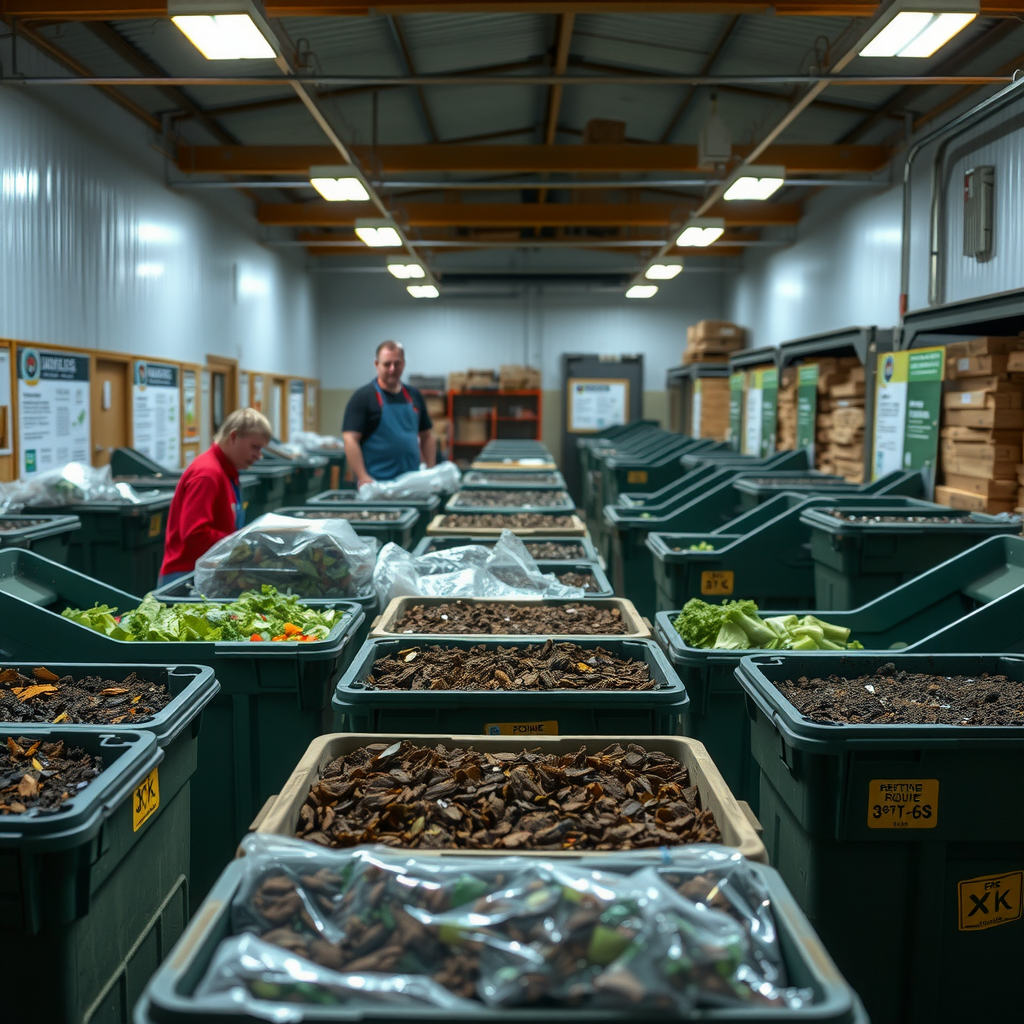
Our waste reduction workshops teach practical skills like repairing items instead of discarding them, choosing reusable alternatives to single-use products, and creative upcycling projects that transform waste materials into useful items. We've partnered with local repair cafes and tool libraries to provide resources that support waste reduction efforts.
For businesses and institutions, we offer waste audits and customized reduction plans that identify opportunities to minimize waste generation, improve recycling rates, and implement sustainable procurement practices. Our business sustainability program has helped 78 local businesses reduce their waste by an average of 40% while saving money on disposal costs.
Parks and Green Spaces: Creating Urban Oases
Access to quality green space is essential for physical health, mental well-being, and community cohesion. Our parks and green spaces program transforms neglected areas into vibrant community assets that provide recreation opportunities, improve air quality, reduce urban heat island effects, and support biodiversity.
We've created or renovated 31 parks and green spaces in underserved neighborhoods, working closely with residents to ensure each space reflects community needs and preferences. Our participatory design process engages community members of all ages in planning, creating spaces that truly serve their intended users.
Green Infrastructure Features
- Rain Gardens: Bioswales and rain gardens that capture stormwater runoff, filter pollutants, and recharge groundwater while creating beautiful planted areas
- Native Plantings: Drought-tolerant native plants that support local pollinators, require minimal maintenance, and provide year-round visual interest
- Permeable Surfaces: Porous paving materials that allow water infiltration, reducing runoff and flooding while maintaining accessibility
- Urban Forests: Strategic tree planting that provides shade, improves air quality, reduces energy costs, and creates wildlife habitat
- Outdoor Classrooms: Educational spaces where schools and community groups can conduct environmental education programs
- Community Gathering Areas: Flexible spaces with seating, shade structures, and amenities that encourage social interaction and community events
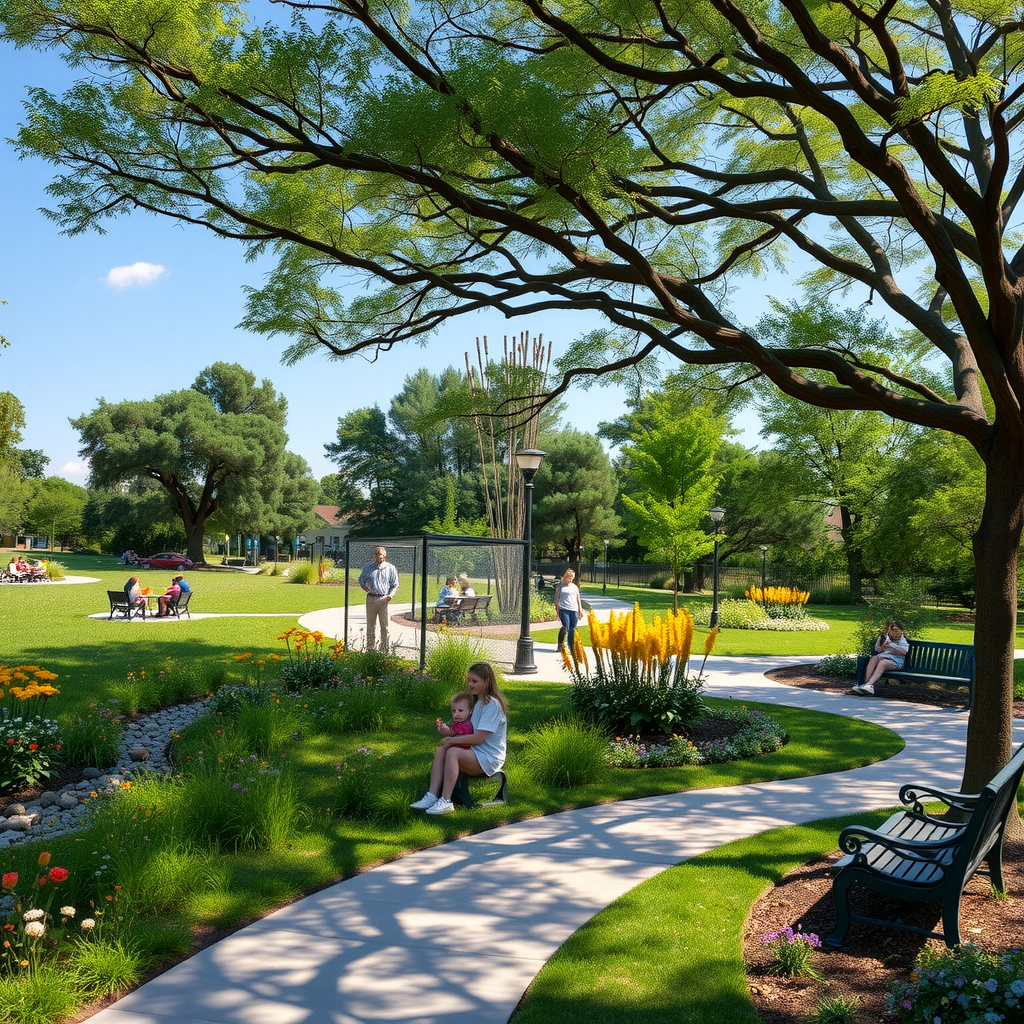
Each park includes amenities tailored to community needs, from playgrounds and sports courts to walking trails and fitness equipment. We prioritize accessibility, ensuring all community members can enjoy these spaces regardless of age or ability. Universal design principles guide our work, creating inclusive environments that welcome everyone.
Our parks program includes ongoing maintenance and programming to ensure spaces remain vibrant community assets. We train and employ local residents as park stewards who maintain the grounds, lead educational programs, and organize community events. This approach creates jobs while building community ownership and pride in these shared spaces.
The environmental benefits of our green spaces are substantial. Studies show our parks reduce local temperatures by up to 8 degrees Fahrenheit during summer months, capture over 2 million gallons of stormwater annually, and provide habitat for dozens of bird species and beneficial insects. These ecological services translate into real quality of life improvements for surrounding neighborhoods.
Measuring Impact and Building Resilience
Our environmental programs are grounded in rigorous evaluation and continuous improvement. We track both environmental outcomes and community impacts, using data to refine our approaches and demonstrate the value of investing in sustainable community development.
Program Outcomes (2020-2025)
18,500+
Community members directly engaged in environmental programs
$4.2M
Annual savings in energy costs for participating households
125,000
Pounds of fresh produce grown in community gardens annually
3,200
Tons of CO2 emissions prevented through all environmental initiatives
Beyond quantitative metrics, we document stories of transformation—families who've reduced their energy bills and invested savings in education, children who've discovered a passion for environmental science through garden programs, neighborhoods that have come together to maintain shared green spaces, and communities that have developed the knowledge and skills to advocate for environmental justice.
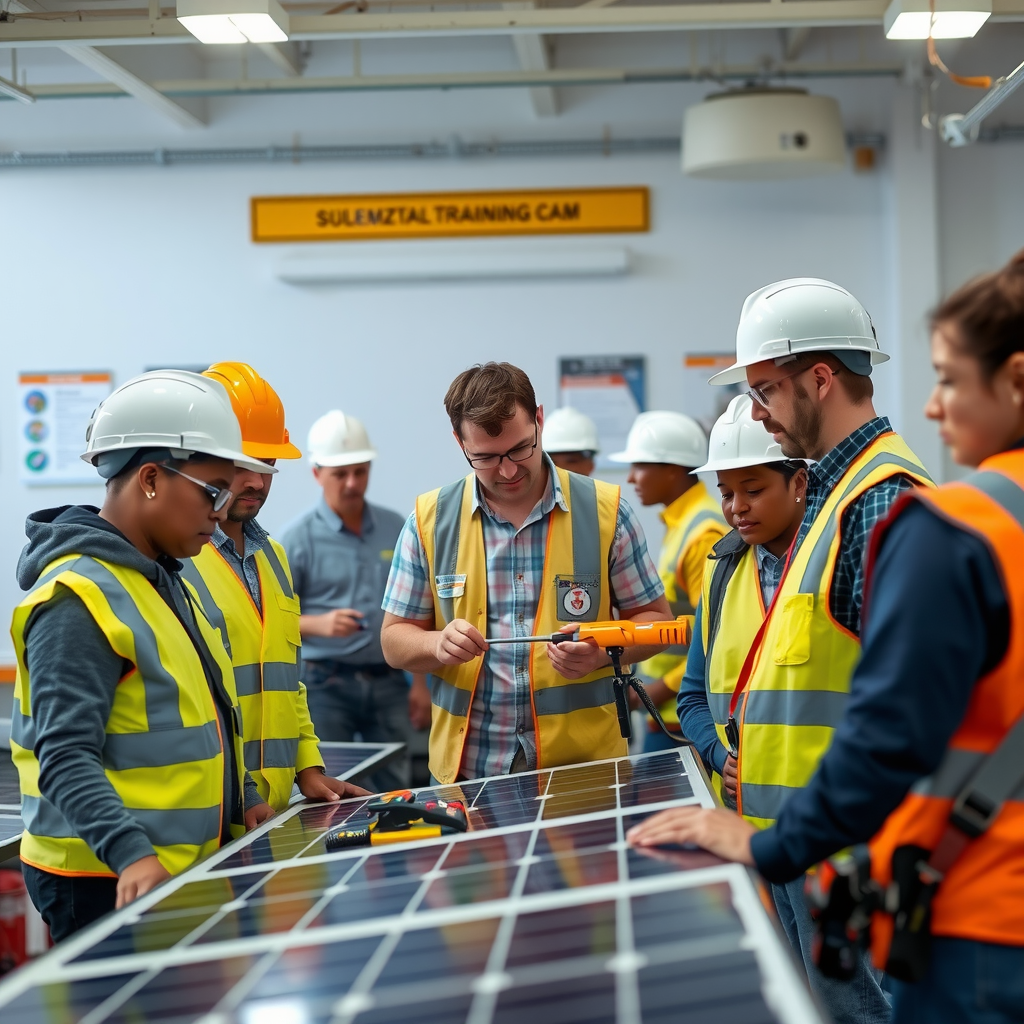
Our programs build community resilience by developing local leadership, creating green jobs, and establishing infrastructure that will serve communities for decades to come. We train community members as solar installers, master gardeners, composting educators, and park stewards, creating pathways to employment in the growing green economy.
Climate change disproportionately impacts low-income communities and communities of color. Our environmental programs are designed with equity at the center, ensuring that those most vulnerable to environmental hazards have access to resources, knowledge, and infrastructure that build resilience. We're not just protecting the planet—we're creating healthier, more sustainable, and more equitable communities where everyone can thrive.
Looking Forward: Expanding Our Environmental Impact
As we look to the future, we're committed to expanding and deepening our environmental programs to reach more communities and address emerging challenges. Our strategic plan for 2026-2030 includes ambitious goals for scaling successful initiatives while innovating new approaches to environmental sustainability and community development.
We're developing partnerships with universities and research institutions to pilot cutting-edge green technologies in community settings, from advanced composting systems to innovative stormwater management solutions. These collaborations allow us to test and refine approaches that can be replicated in communities nationwide.
Our youth environmental leadership program is expanding to engage more young people in climate action and environmental advocacy. We're creating opportunities for youth to lead projects in their communities, participate in policy discussions, and develop the skills and knowledge they need to become the next generation of environmental leaders.
Join Us in Building Sustainable Communities
Environmental transformation requires collective action. Whether you're a community member, organization, or funder, there are many ways to support our work creating healthier, more sustainable neighborhoods. Together, we can build a stronger tomorrow through environmental stewardship and community development.
The Lucey Dugan Watkins Charity environmental programs demonstrate that sustainability and community development are inseparable. By investing in green infrastructure, renewable energy, waste reduction, and green spaces, we're not only protecting our planet—we're improving quality of life, creating economic opportunities, and building resilient communities that can thrive for generations to come.
Our work shows that environmental programs can be powerful tools for community transformation when they're designed with equity, participation, and long-term sustainability in mind. As we continue this important work, we remain committed to our core values of trust, collaboration, and community empowerment, ensuring that every initiative we undertake serves both people and planet.